60%
documentation overhead reduction
Enterprise Clinical Operations
Replace fragmented charting and delayed handoffs with one operational layer for clinical documentation and context delivery.
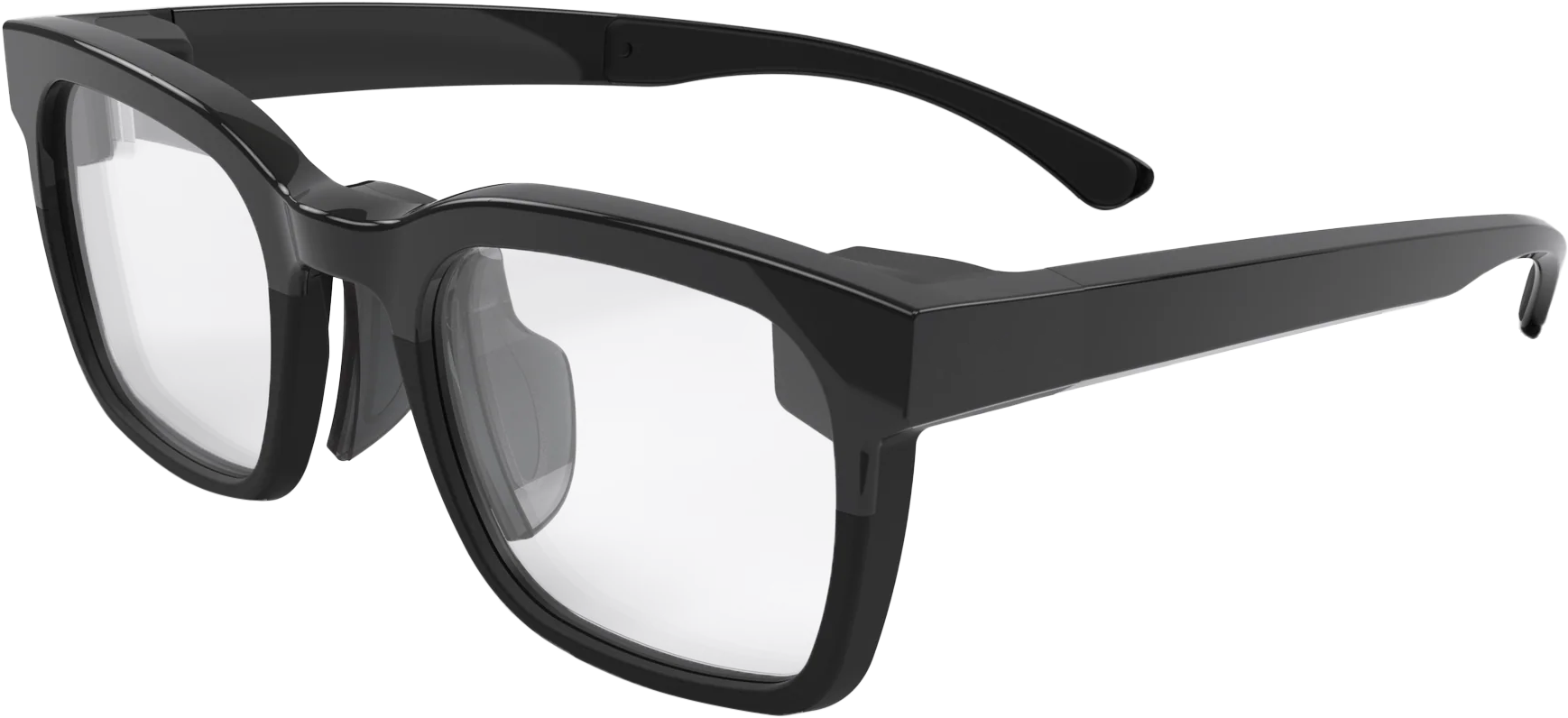
One interface for voice, context, and patient-critical data flow.
60%
documentation overhead reduction
<50ms
median interaction response time
500+
languages in real-time workflow
Capabilities
Voice interactions become structured notes and coded clinical context without workflow interruption.
Bi-directional exchange across Epic, Cerner, MEDITECH, athenahealth, and HL7 FHIR workflows.
AR overlays keep orders, vitals, and patient history in-line with care delivery.
Role-aware controls, full audit trails, and policy enforcement at deployment level.
Operational Outcomes
2.7 → 1.1 hours
Before: documentation burden per clinician per shift
After: projected reduction based on DAX/Augmedix benchmarks, adjusted for real-time capture
31%
Before: chart completion lag after encounter close
After: projected reduction based on Suki AI same-day closure rates
94%
Before: manual multilingual reconciliation
After: projected automated capture coverage using real-time interpretation pipeline
Projected Deployment Model
The model begins with emergency and hospital medicine. Governance includes IT, security, informatics, and physician leadership with weekly executive checkpoints.
Projected operational result
31% faster chart closure
Projected clinician result
1.6 hours reclaimed per shift
Projected quality result
18% fewer post-encounter edits
Projections are modeled from published outcomes by DAX Copilot, Augmedix, and Suki AI, adjusted for MDX Vision's real-time in-encounter architecture. Actual results will be validated through a 90-day controlled pilot.
Enterprise Readiness
HIPAA-aligned controls, SOC 2 Type II posture, encryption in transit and at rest, and role-bound access policies.
99.9% uptime objective, failover-ready service topology, and continuous observability for clinical workflows.
Deployment playbooks for IT, informatics, and frontline operations with phased change management.
Platform Architecture
Voice, AR overlays, and encounter intelligence delivered in one real-time workflow surface.
Structured note generation, multilingual interpretation, and contextual decision support with policy controls.
EHR interoperability, audit telemetry, and enterprise identity controls aligned to hospital IT governance.
Integration ecosystem





Phase 1 aligns architecture and integration boundaries. Phase 2 runs controlled clinical pilots. Phase 3 scales by service line with measurable adoption and compliance checkpoints.
Days 1-14
Architecture and security alignment with IT and compliance teams.
Days 15-45
Controlled pilot across selected service lines and clinician champions.
Days 46-90
Scale-out by department with adoption, quality, and SLA checkpoints.
Projection Methodology
Procurement FAQ
Security documentation package, architecture brief, integration checklist, implementation plan, and executive governance model.
Rollout is phased and role-based. We target high-friction workflows first, then expand after measurable operational wins.
Yes. Most enterprise deployments begin with one pilot environment and scale after predefined outcome gates are met.
Next Step